By Sales | 17 December 2025 | 0 Comments
Eyeglass Frame Bevels: How Bevel Design Affects Acetate & Metal Eyewear Manufacturing
Tiny details can have a surprisingly big impact when it comes to eyewear design. One detail that often goes overlooked but can make a big difference is the bevel.
The bevel on an eyeglass frame is particularly important for acetate (plastic) frames but plays a more limited role in metal eyewear manufacturing.
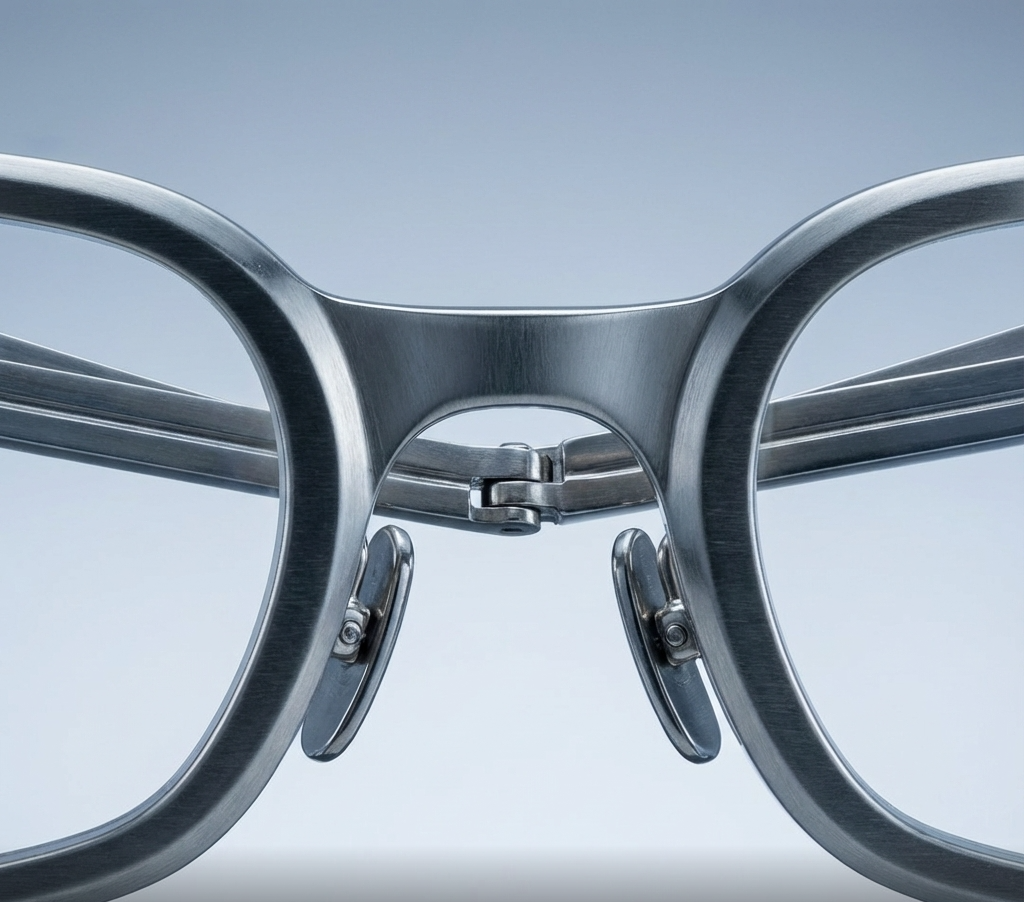
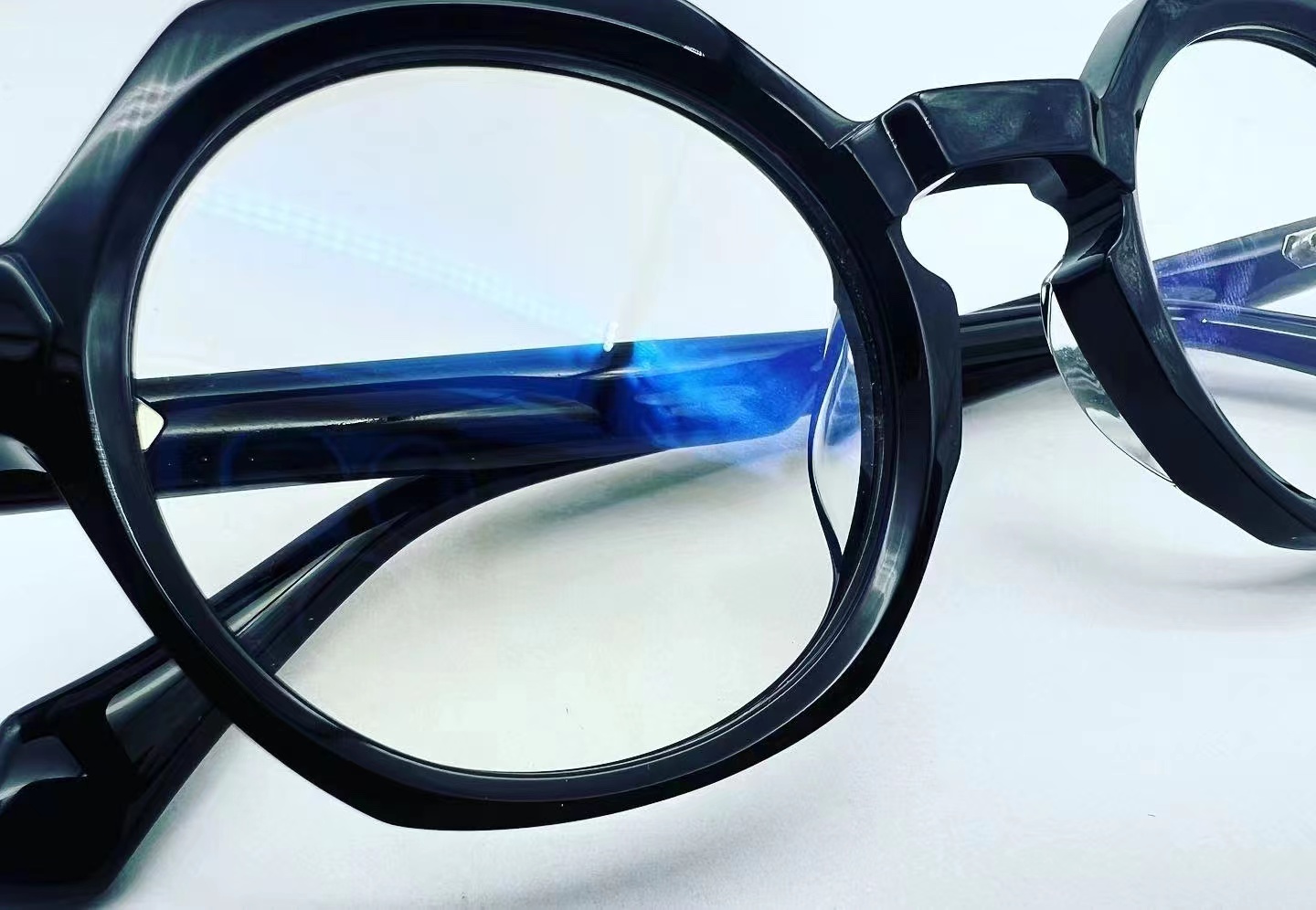
From a eyeglasses manufacturer’s perspective, bevel design is not just about style. It also affects comfort, production difficulty, yield, and cost.
This article breaks down how bevels work on eyeglass frames and what brands need to know before applying bevel designs to their eyewear collections.
What Is a Bevel on an Eyeglass Frame?
This article breaks down how bevels work on eyeglass frames and what brands need to know before applying bevel designs to their eyewear collections.
What Is a Bevel on an Eyeglass Frame?
A bevel is an angled or faceted surface along the edge of an eyeglass frame.
Instead of a straight vertical edge, the frame edge is cut or shaped at an angle. This creates a softer transition, reduces visual thickness, or adds highlights and shadows.
Bevels are most commonly used on:
Bevels are most commonly used on:
* Front edge of acetate frames
* Inner or outer rim around the lenses
* Temple edges, especially on thicker frames
Acetate has the most flexibility for bevel shaping because it is milled from solid sheets. Metal frames have a more limited approach.
Common Types of Bevel Designs in Eyeglass Frames:
In acetate eyewear manufacturing, some of the most common bevel styles include:
* Single Bevel A simple angled cut. Usually applied on the front edge of frames. Clean and minimal. Good for mass production.
* Double Bevel Two angled surfaces. Creates a sharper, more sculpted appearance. Used in premium or design-driven frames.
* Soft Bevel vs. Sharp Bevel Soft bevels make smoother transitions. They give a classic feel. Sharp bevels emphasize the structure and modern aesthetics.
The choice of bevel shape affects the overall look and feel of the frame as much as the same acetate thickness.
How Bevels Change the Visual Thickness of Acetate Frames
How Bevels Change the Visual Thickness of Acetate Frames
One of the main reasons to use bevels on acetate frames is for visual balance.
A thick acetate frame without a bevel can look heavy or bulky. But by adding a bevel:
* The edge visually appears thinner
* Light reflects differently across surfaces
* The frame gains depth without increasing material thickness
This is why bevels are especially important in bolder acetate designs. Material thickness is often part of the style but still needs to be refined.
Bevel Design and Wearing Comfort
This is why bevels are especially important in bolder acetate designs. Material thickness is often part of the style but still needs to be refined.
Bevel Design and Wearing Comfort
Bevels also impact wearing comfort, not just appearance.
When well-designed, inner bevels can:
* Reduce pressure points on the face
* Improve contact between frame and skin
* Make thicker frames feel lighter in daily use
Comfort-related bevels require precision in manufacturing, as cutting too much off can weaken structural areas around lenses or the bridge.
Manufacturing Challenges of Bevels in Acetate Frames
In eyewear manufacturing, bevels increase production complexity.
Some of the key challenges include:
* Material loss: Deeper or multiple bevels lead to more acetate waste
* Consistency: Complex bevels need tighter CNC tolerances and extra manual finishing
* Polishing difficulty: It is hard to polish sharp bevel lines without rounding edges
* Yield control: Aggressive bevel designs can reduce production yield during scale manufacturing
A bevel that looks great on a sample frame can become unstable or expensive when made in large volumes.
Bevels in Metal Eyeglass Frames: A Different Approach
Although bevels are most closely associated with acetate, they also exist in metal eyewear but in a more limited form.
In metal frames:
* Bevels are usually subtle and functional rather than decorative
* Applied through CNC machining, stamping, or chamfering the edge
* Goal is often to remove sharp edges, improve comfort, or aid assembly
Metal materials are thinner and structurally different than acetate. It means dramatic bevel designs are generally not possible. Aggressive beveling can compromise durability.
As a result, bevel design is primarily a core feature of acetate eyewear manufacturing.
Cost and Production Considerations
As a result, bevel design is primarily a core feature of acetate eyewear manufacturing.
Cost and Production Considerations
From the manufacturer’s point of view, the bevel design directly affects the final cost:
* More complex bevels = longer machining time
* Additional hand-finishing steps = higher labor cost
* Higher risk of rework polishing and assembly
For eyewear brands, understanding the above factors helps set realistic boundaries for design ambition and production feasibility。
When Bevel Designs Are Not Suitable for Mass Production
When Bevel Designs Are Not Suitable for Mass Production
Not all bevel designs are suitable for scale.
Common bevel design issues include:
* Extremely sharp angles that cannot be polished consistently
* Deep bevels near stress points like the bridge or hinges
* Designs that rely too heavily on manual correction
Early back-and-forth between the brand and manufacturer is critical to avoid expensive redesigns after sampling.
Final Thoughts :
Final Thoughts :
Bevels may seem like a small detail on an eyeglass frame, but they are an influential factor in eyewear manufacturing that impacts style, comfort, production stability, and cost.
For acetate frames, bevel design is one of the most effective tools available to elevate the visual quality and wearing experience. Metal frames use bevels in a more restrained but still important functional role.
The better brands understand how bevels work from a manufacturing perspective, the more likely their designs will not only look attractive, but also be reliable to produce in the long term.
Leave a Reply
Your email address will not be published.Required fields are marked. *