How We Achieve Flexibility in Titanium Eyewear Temples
Why Structure, Not Just Material, Defines the Comfort of Titanium Eyewear
While titanium is celebrated for being lightweight, the secret to true wearing comfort lies in a more subtle factor: Elasticity.
For designer brands, the real challenge isn’t just selecting the material—it’s the engineering behind it. How do you design a frame that feels pressure-free and perfectly balanced? The answer is in the temples. Even a 0.1mm difference in thickness or a slight structural shift can completely change the wearer's experience.
In this article, we’ll share our process for achieving the perfect flex in titanium temples through precision machining, stable welding, and meticulous design.
How We Achieve Flexibility in Titanium Temples?
In high-end manufacturing, flexibility is not just a material advantage—it is the result of precise structural engineering. For designer brands, a well-balanced temple ensures both comfort and durability. Here is how we achieve it in our production line:
1. CNC Precision Milling (Front Section)
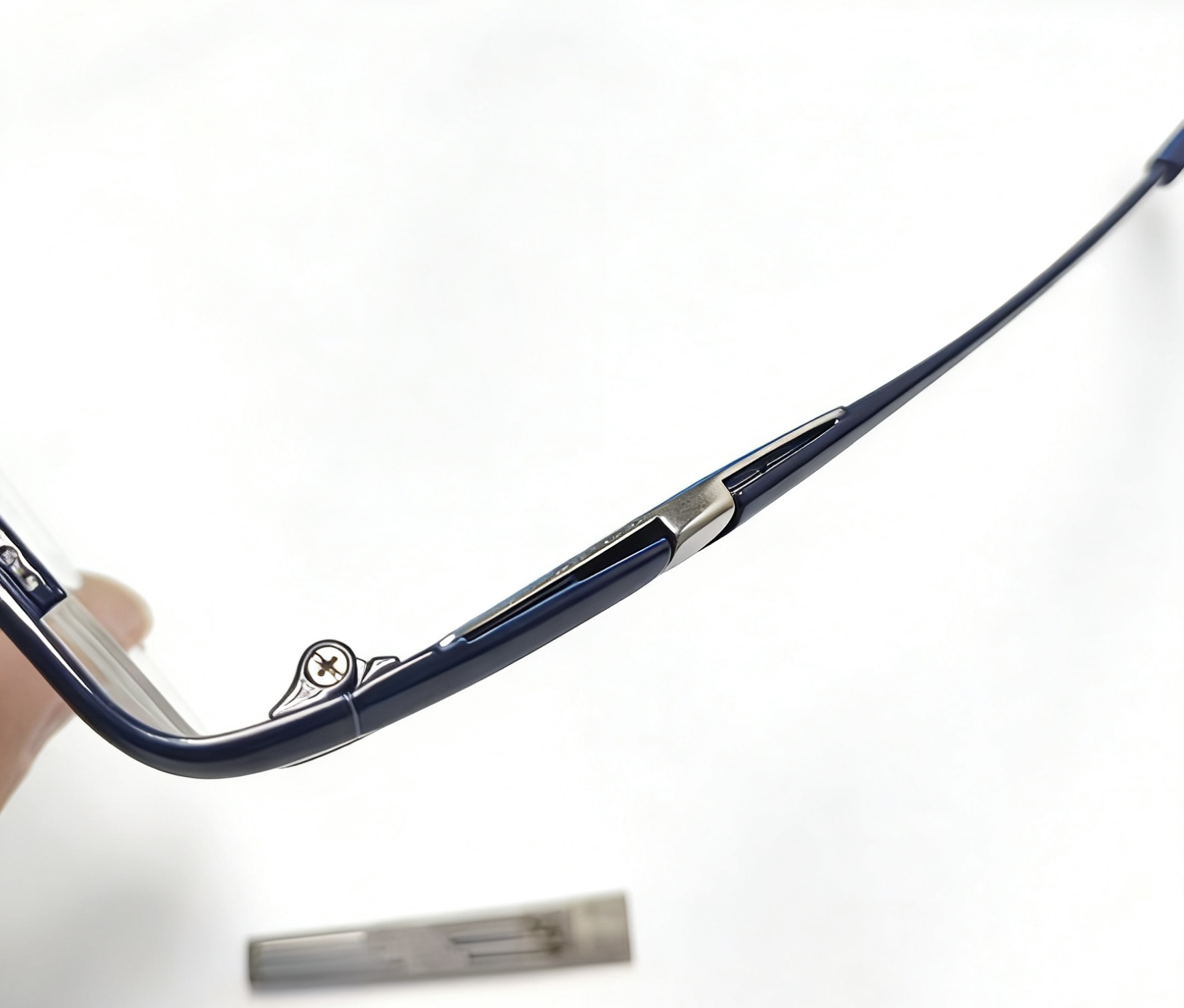
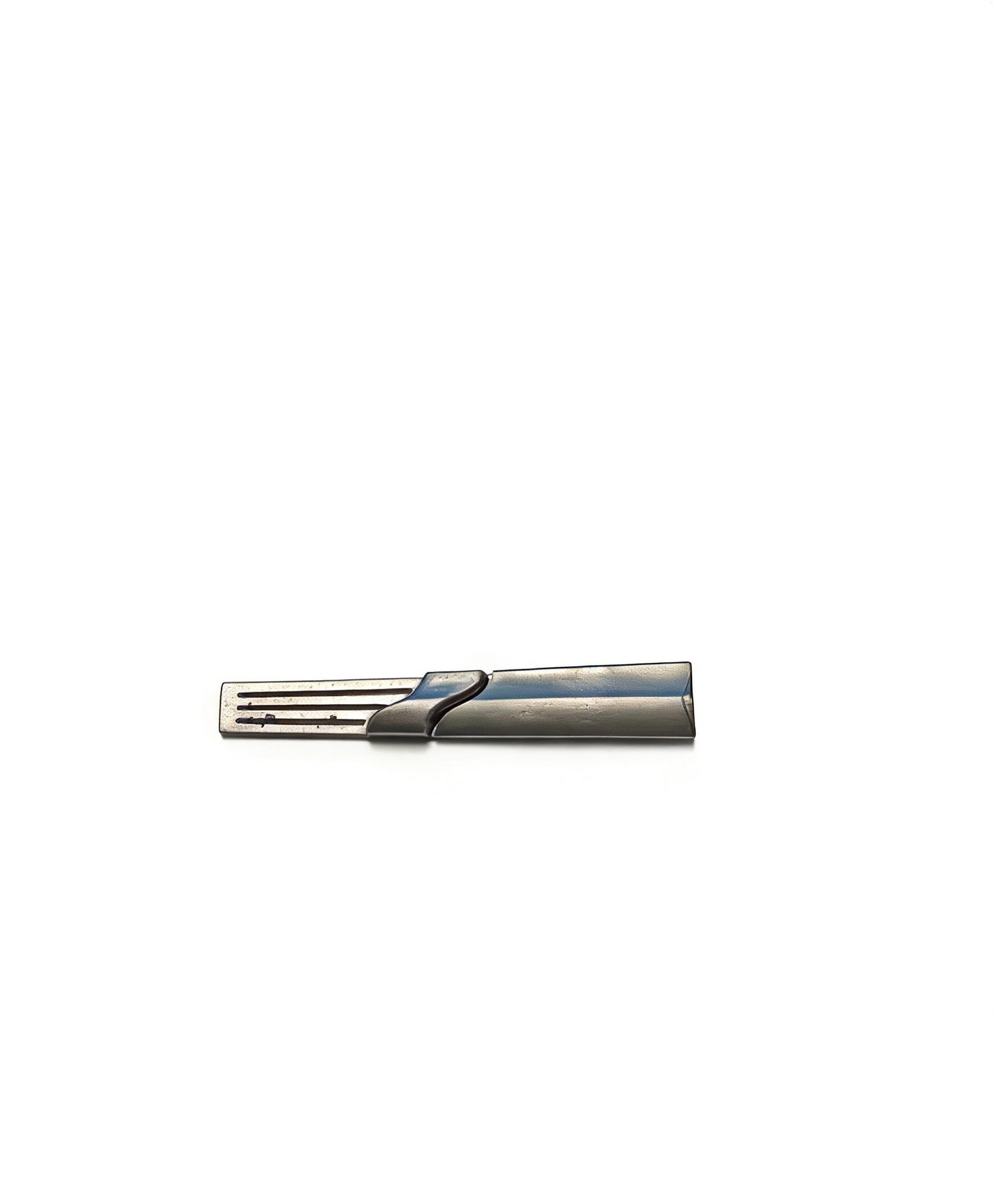
The process begins with CNC precision milling at the front of the temple. We create a stepped structure specifically designed to match the thickness of the elastic component.
-
The Critical Detail: Even a slight deviation in height or thickness can disrupt the final balance of the frame. Precision at this stage is non-negotiable.
2. Laser Welding and Alignment
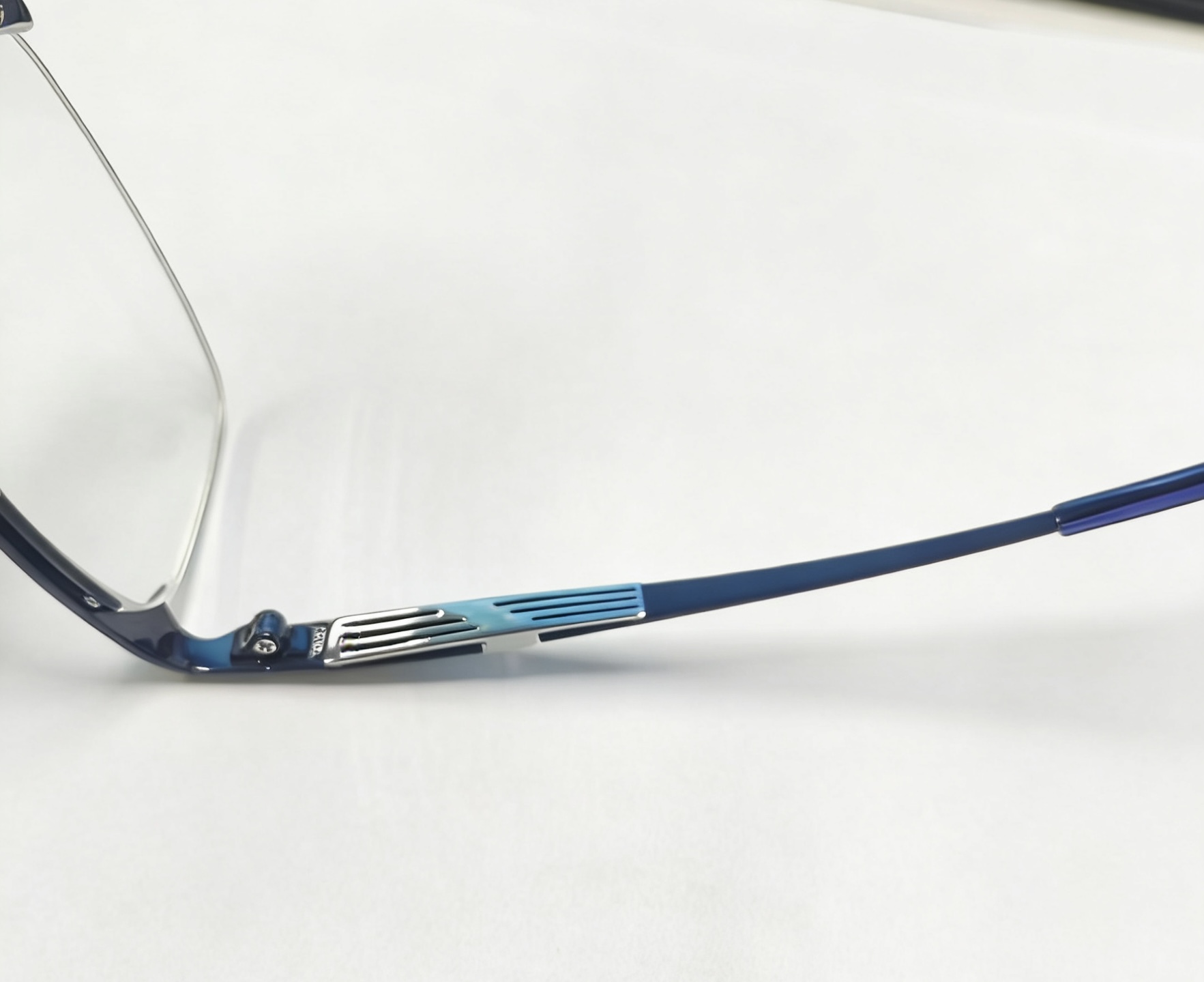
After shaping the front section, we use laser welding to secure the structure.
-
The Critical Detail: Alignment is everything. Any inconsistency between the front geometry and the elastic element will lead to uneven tension and reduced long-term performance.
3. Rear Temple Engineering (Balance Control)
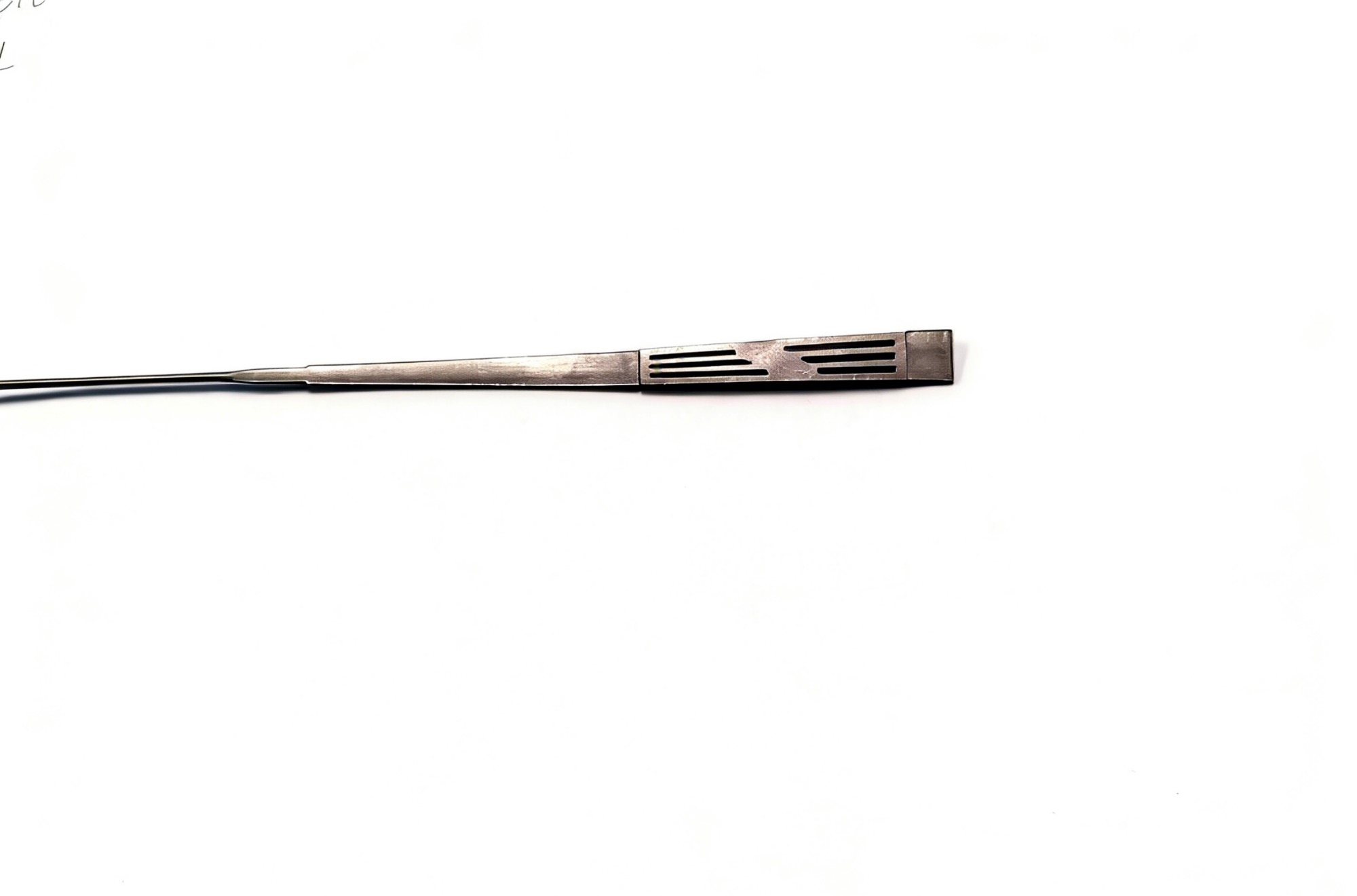
The rear section of the temple is machined to precisely match the elastic segment’s thickness and the distance between structural points.
-
Why it matters: This part is often underestimated, but it is key to smooth flexibility. A mismatch between the front and rear structures can cause:
-
Uneven elasticity
-
Excessive pressure on the face
-
Reduced durability over time
4. Final Welding and Surface Finishing
Once the assembly is complete, we perform the final welding and move to meticulous polishing.
-
The Result: We smooth out every weld joint to ensure surface consistency. This step doesn’t just improve the aesthetics—it enhances the tactile quality and overall comfort of the frame.
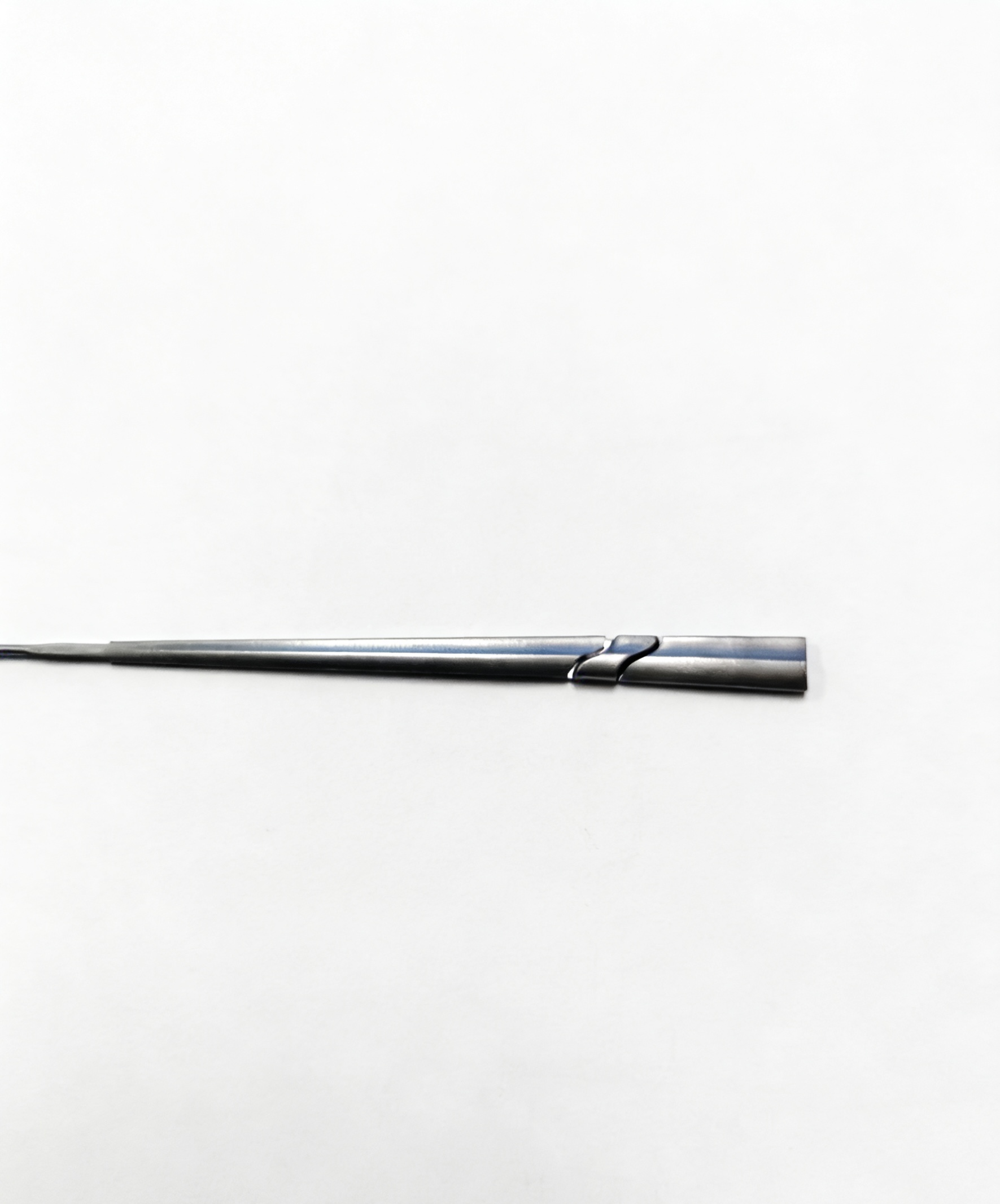
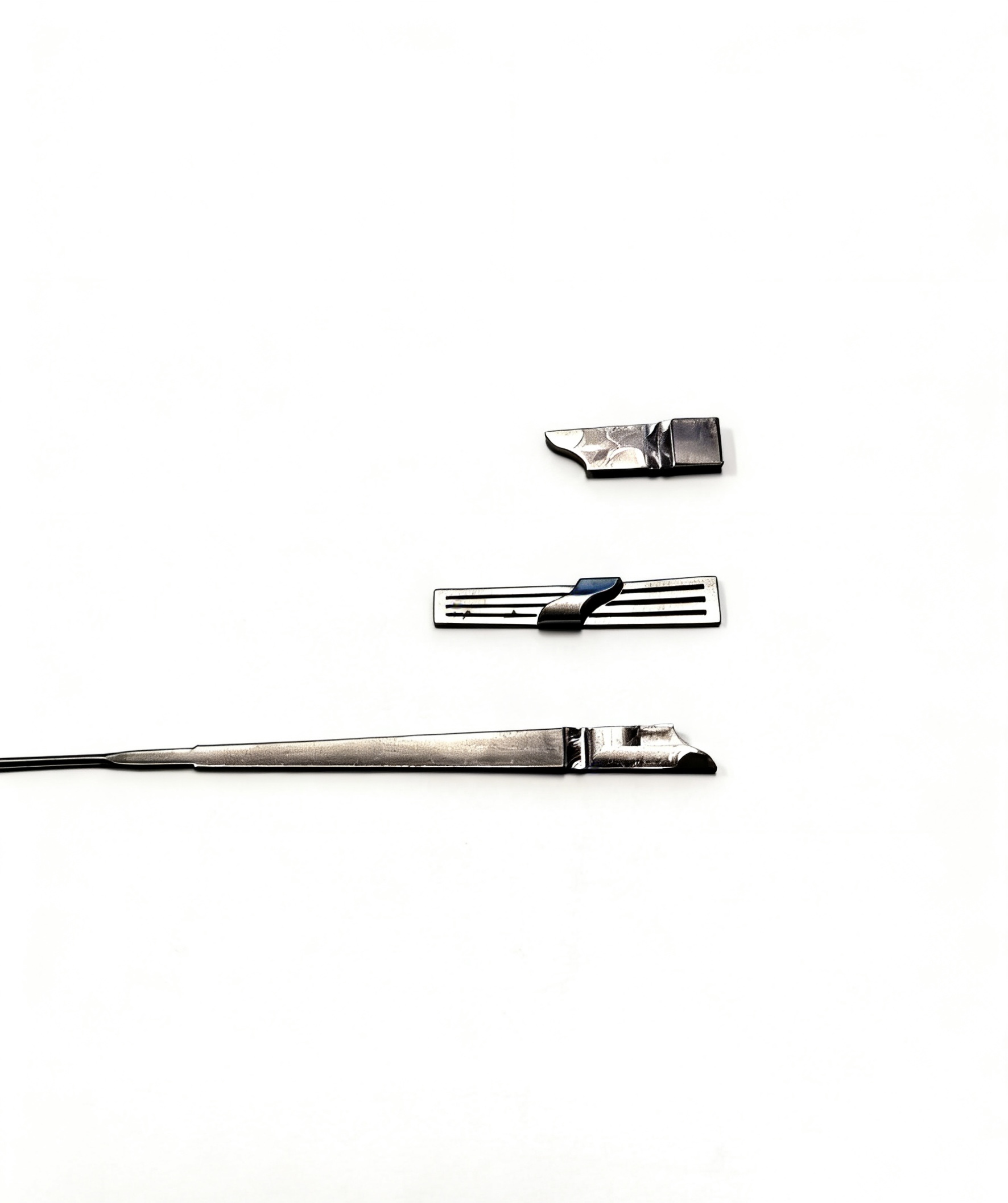
Why Structure Matters More Than Material
While titanium provides the foundation of strength, true flexibility comes from precision engineering. The combination of accurate CNC machining, controlled welding, and balanced design is what defines a high-quality flexible frame.
Custom Solutions for Designer Eyewear
We support custom titanium eyewear development with full control over:
-
Flexibility levels
-
Temple architecture
-
Finishing details
We are more than just a eyeglasses manufacturer; we are your development partner. If you’re looking to fine-tune the flex, weight, or finish of your next collection, we are here to help.
Feel free to contact us to discuss your next project.